Albert Agarunov National Hero of Azerbaijan
National Hero of Azerbaijan

Albert Agarunov Tank commander · defender of Shusha

25 April 1969 8 May 1992

“This is my land. I have no other homeland, and it is mine to defend.”

Albert Agarunov
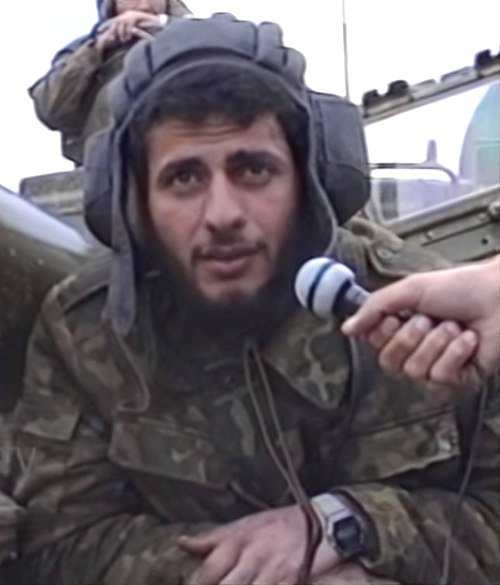
Authentic footage. Interview with ANS television, early May 1992 — days before his death.
Scroll down

Who he was

Twenty-three years. Nine tanks destroyed. One undying name.

A Mountain Jew from the Baku suburb of Amirjan who volunteered for war and died defending Shusha. Azerbaijan named him a National Hero — and both imams and rabbis prayed over his grave.

23
years of life
#533
hull number of his T-72 tank
9
enemy tanks his crew destroyed
1992
National Hero, posthumously

His life

From a lathe to the commander's turret

Albert Agarunovich Agarunov was born on 25 April 1969 in Amirjan, a settlement of Baku's Surakhani district, into a Mountain Jewish family with roots in Quba and Krasnaya Sloboda. His father, Agarun, was an oil worker; his mother, Leah, raised ten children and held the title of "Mother Heroine." Albert was the youngest.

He finished eight grades at Baku's School No. 154, trained as a tractor driver at a vocational college, and worked as a lathe operator at a machine-building plant. At music school he played the trumpet — the ordinary, peaceful life of a working-class boy from a large family.

From 1987 to 1989 Albert served in the Soviet Army in Georgia, where he became a tank commander and junior sergeant, earning the "Guard" and "Excellent Soldier" badges. On returning home he went back to the lathe at the Surakhani plant.

When the Karabakh war broke out, Albert volunteered. Not by order or conscription — by conscience. Asked by reporters what made a Jew defend Azerbaijani soil, he answered plainly: “I live on this land, I was born here, I live here — nothing else compels me.”

He was given a T-72 tank, hull number 533. With his tank unit he fought on the Shusha front — at Khankendi, Dashalti, Jamilli. According to his commander Haji Azimov, his crew destroyed nine enemy tanks and seven infantry fighting vehicles. He would wait for enemy vehicles to cluster — then strike, sure and single-shot.
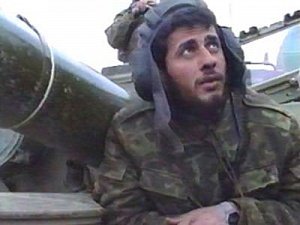
Albert Agarunov
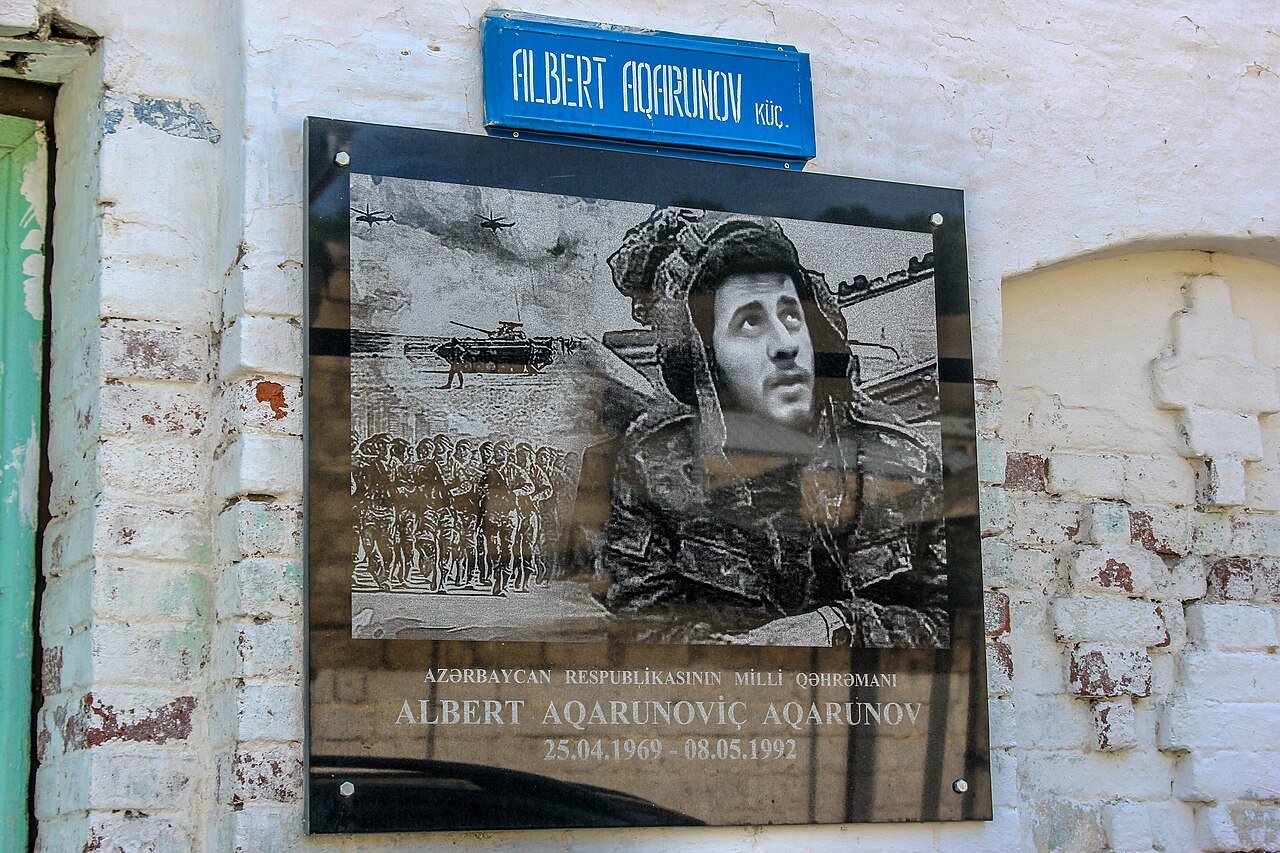
Albert Agarunov beside his tank — one of the few surviving images.

8 May 1992

The last battle for Shusha

At dawn, on his commander's order, Albert took his tank into the fight on the outskirts of Shusha. The day would be the town's last — and his.

01

At first light Albert moves tank #533 into position near Shusha — to the hardest sector of the defense.

02

In a tank duel he knocks out an Armenian T-72, hull number 442, commanded by Gagik Avsharian — and then a second armored vehicle.

03

He climbs from the hatch to drag the bodies of fallen Azerbaijani fighters from the street, lying beside the very vehicles he had destroyed.

04

An Armenian sniper's bullet strikes him in the chest, straight to the heart. Albert was twenty-three.

05

Shusha fell that same day. But his name stayed in the ranks: ever after, Azerbaijani tank crews painted one word on their machines — “Albert.”

His words

A voice that needed no translation

This is my land. I was born here, I live here — nothing else compels me to defend it.

Albert Agarunov — from an interview with ANS television, May 1992

₽5,000,000

That is what the enemy placed on one tankman's head — five million rubles. A price set only on those who are truly feared.

His living voice

The only interview

ANS interview, Albert Agarunov, 1992 Watch the interview

Shortly before his death, in early May 1992, Albert gave his only interview — to ANS television. It was filmed by the legendary war correspondent Chingiz Mustafayev. Days later, Albert was gone.

Video opens on YouTube

The path

Chronicle of a short life

25 April 1969

Born in Amirjan (Baku) into a Mountain Jewish family. The youngest of ten children.

1976–1984

School No. 154. Vocational college. Trumpet at music school. Work as a lathe operator.

1987–1989

Service in the Soviet Army in Georgia. Tank commander, junior sergeant.

Winter 1991

Volunteers for the front. Receives the T-72 tank #533.

Spring 1992

Battles at Khankendi, Dashalti, Jamilli. Nine tanks and seven IFVs destroyed.

8 May 1992

Killed by a sniper in the battle for Shusha. He was 23.

7 June 1992

By Decree No. 833, Albert Agarunov is posthumously named a National Hero of Azerbaijan.

2019

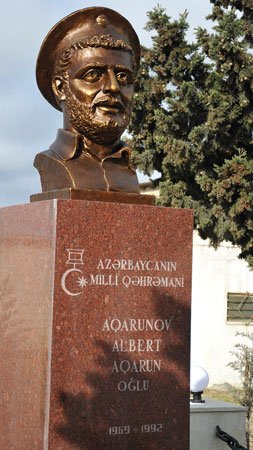
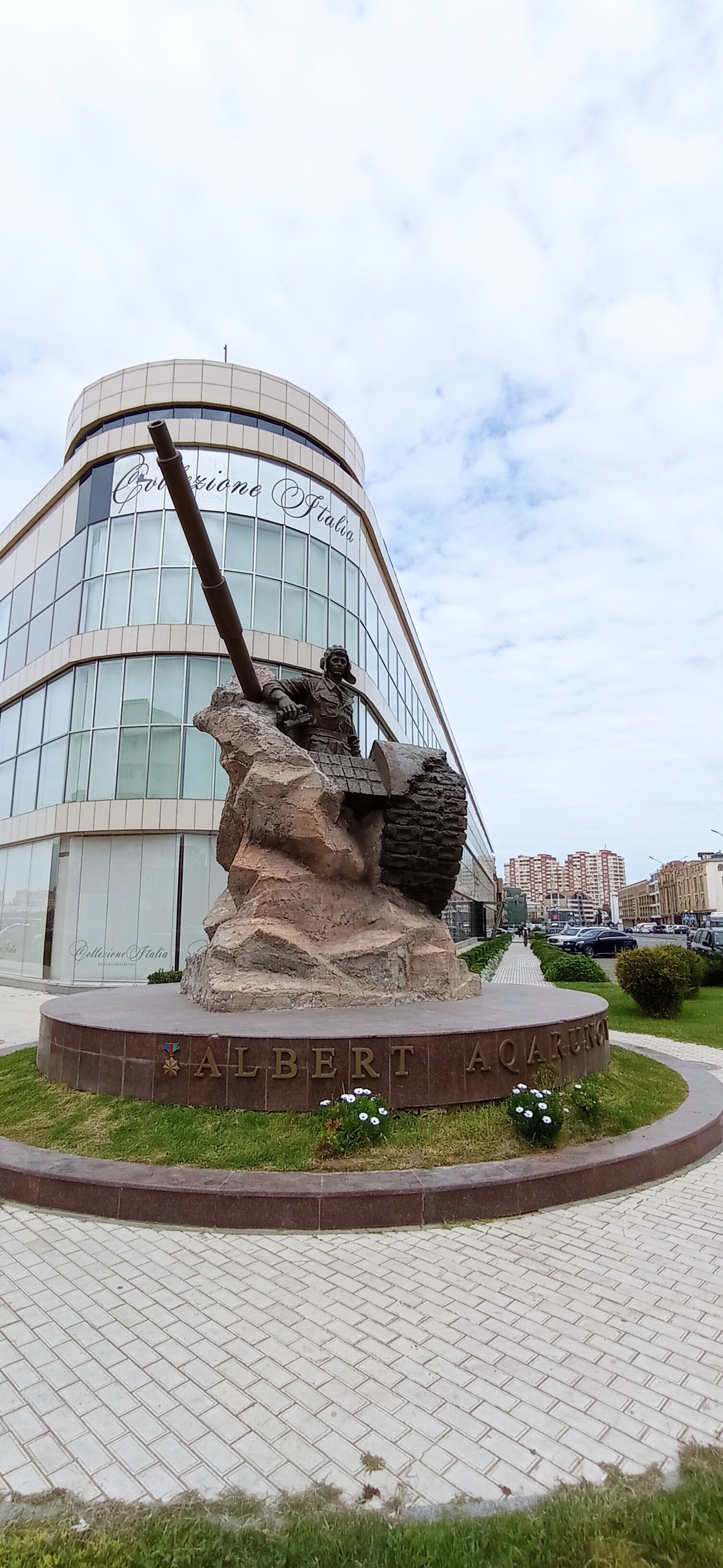
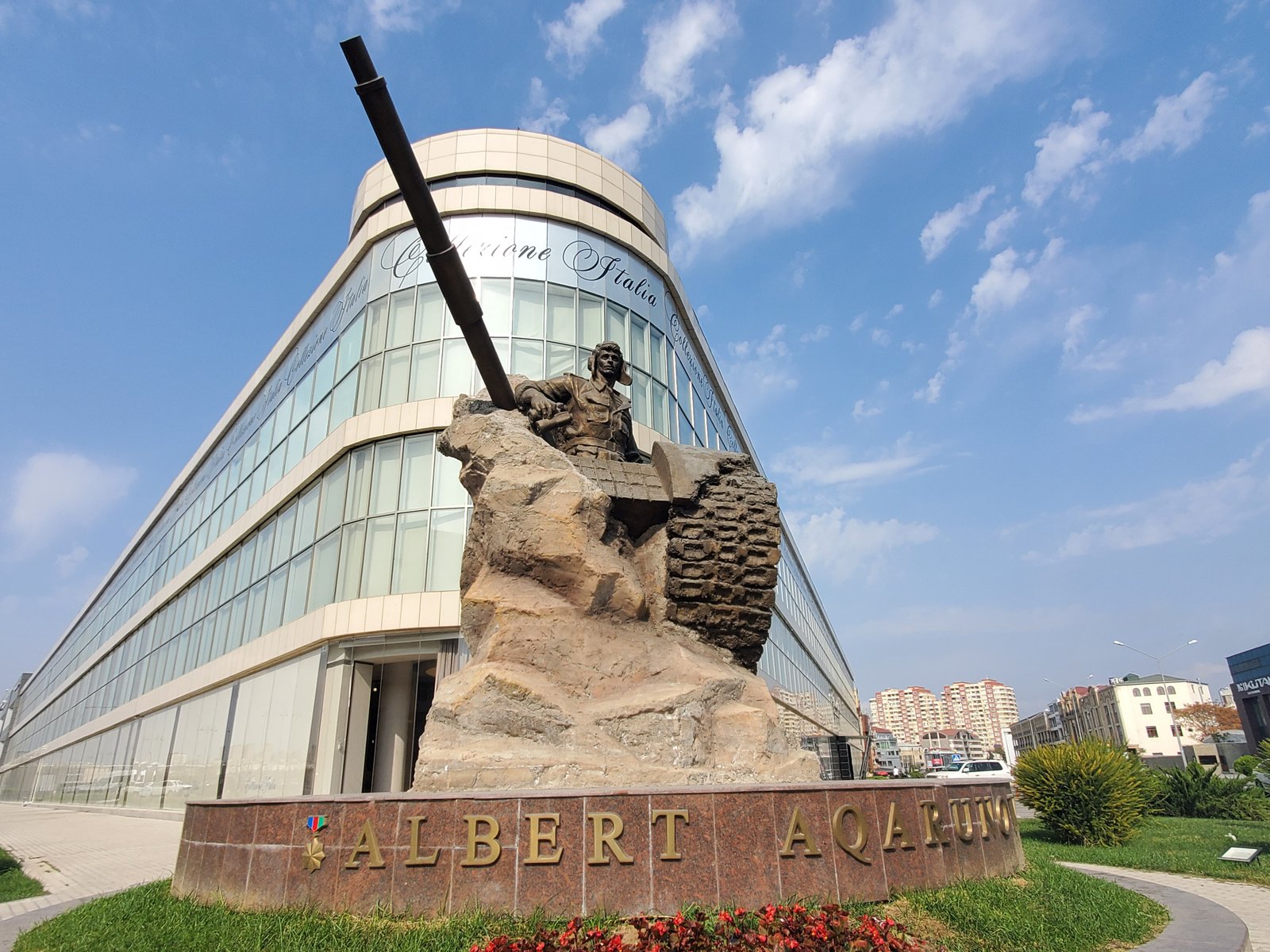
A monument by People's Artist Omar Eldarov is unveiled in Baku.

·

One hero, two prayers

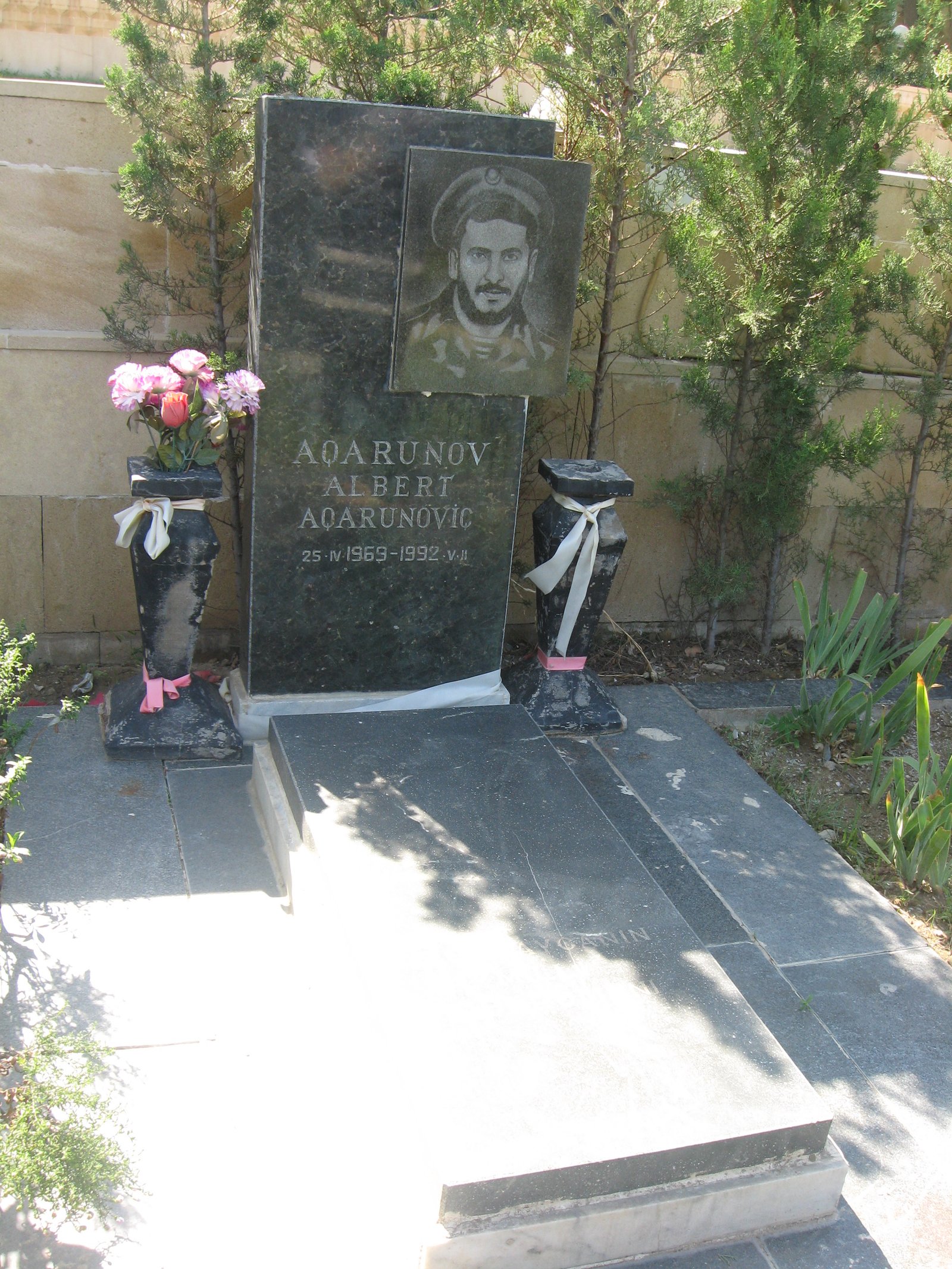
This Jew who fell for Azerbaijan was sent to his rest by both imams and rabbis. Over the grave at the Alley of Martyrs, the prayers of two faiths were heard.

Remembrance

How Azerbaijan remembers Albert

🎖️

National Hero

The title was awarded posthumously by Decree No. 833 of 7 June 1992. Later came the Order "Son of the Fatherland" (2014) and the Hazi Aslanov medal (2016).

🗿

Monument in Baku

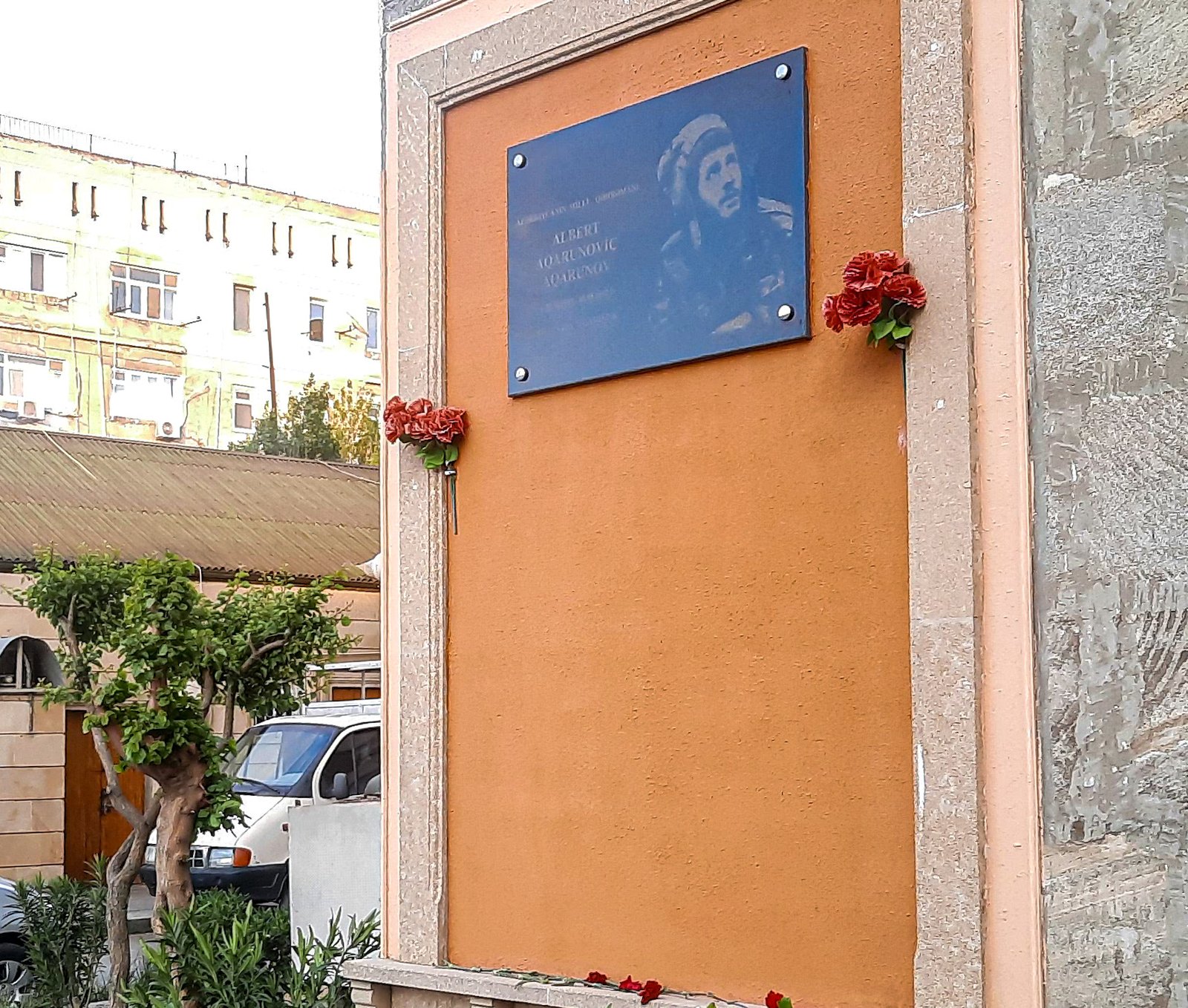
In 2019 a monument by Azerbaijan's People's Artist Omar Eldarov was unveiled in the Narimanov district.

🏫

A school in his name

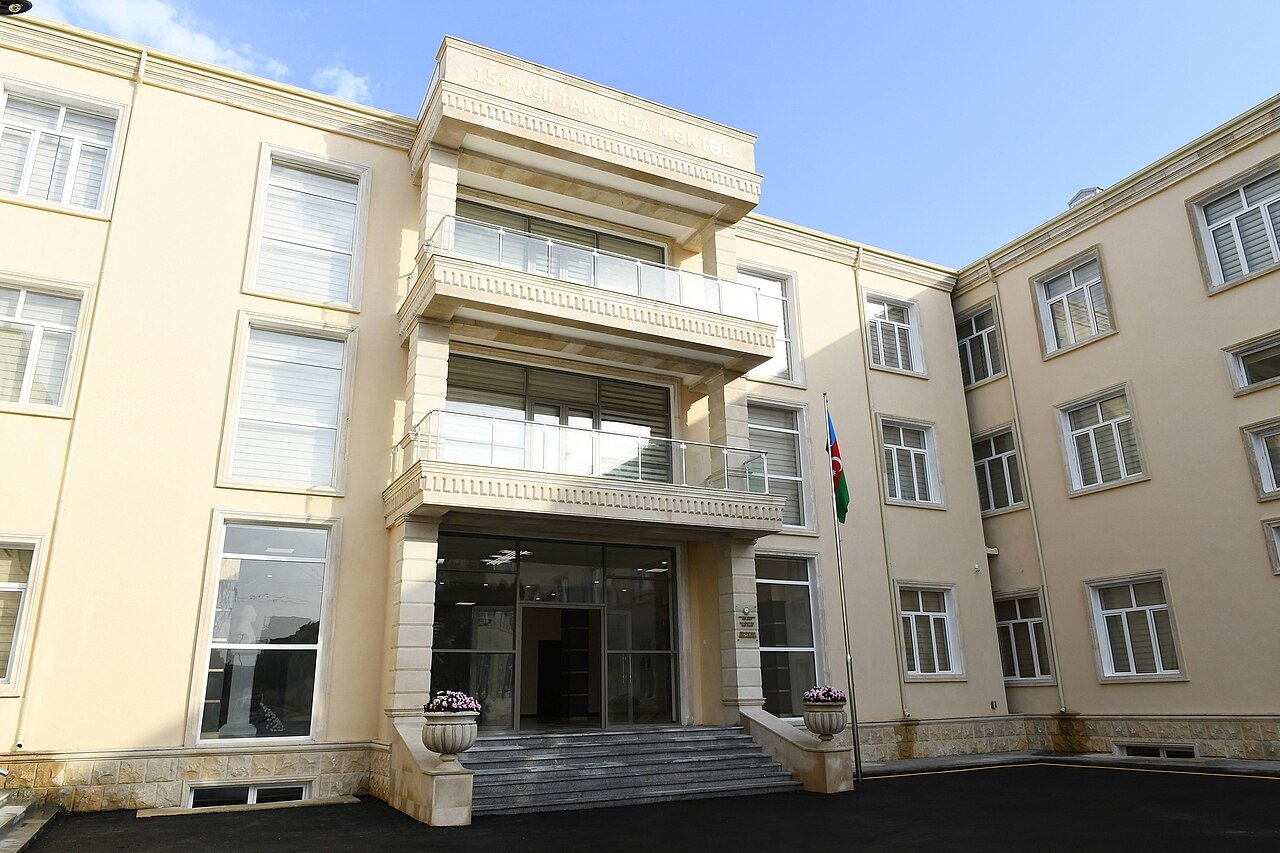
Baku's School No. 154 in Amirjan, where Albert studied, bears his name; inside is a memorial corner kept with fresh flowers.

🪧

Albert's streets

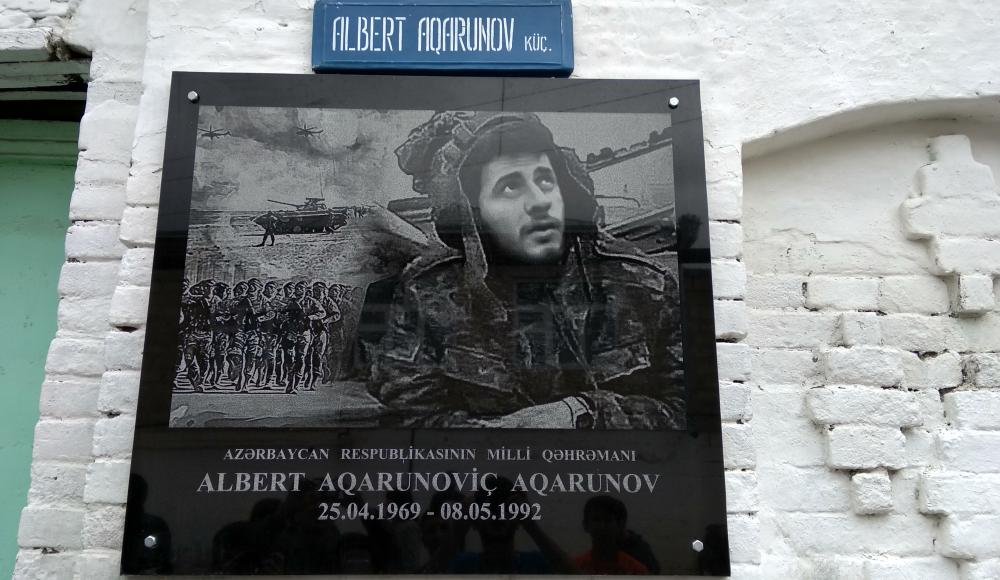
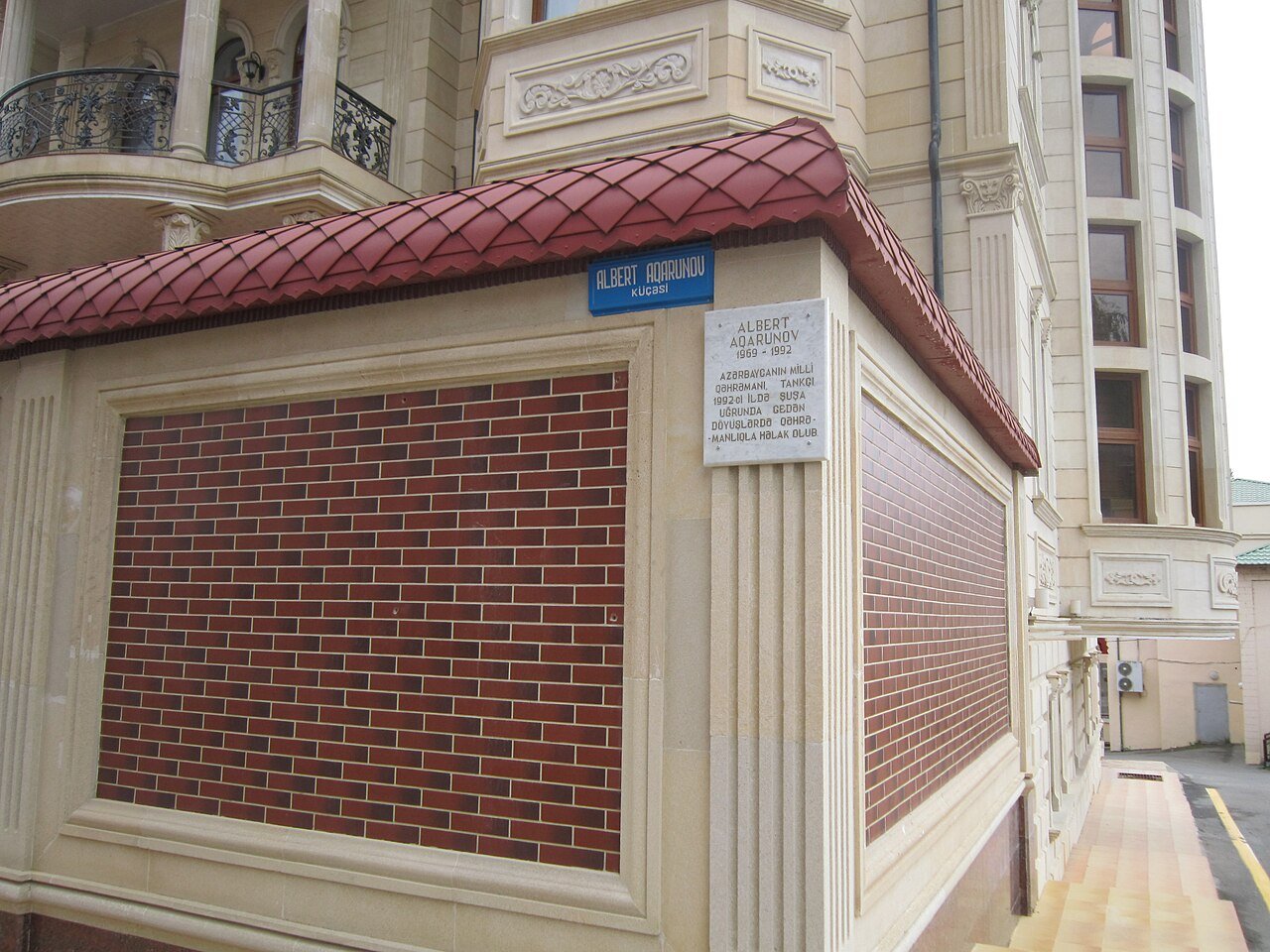
Streets are named for him in Baku and in Krasnaya Sloboda near Quba — the historic heart of the Mountain Jews.

⚙️

Tank #533

His T-72, hull number 533, stands in the Military History Museum in Baku.

"Albert" on the armor

After his death, Azerbaijani tank crews wrote a single name on their machines in his honor — "Albert."

🕯️

Museum & day of remembrance

In 2004 a museum to Albert opened at Baku's Jewish school Chabad Or-Avner. Every year on 25 April, his birthday, memorial ceremonies are held.